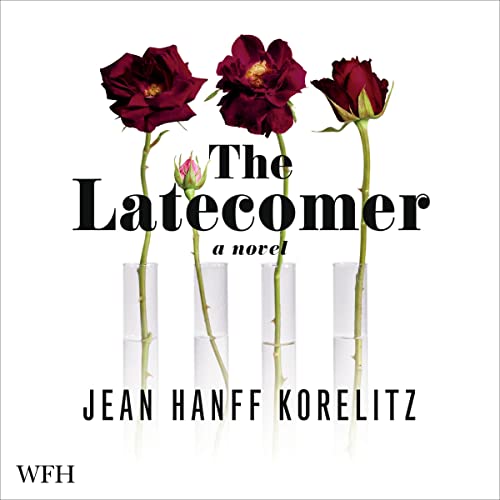
In The Latecomer (2022), Jean Hanff Korelitz dives deep into the dynamics of the fictional Oppenheimer family, wealthy Brooklynites Salo and Johanna and their children.
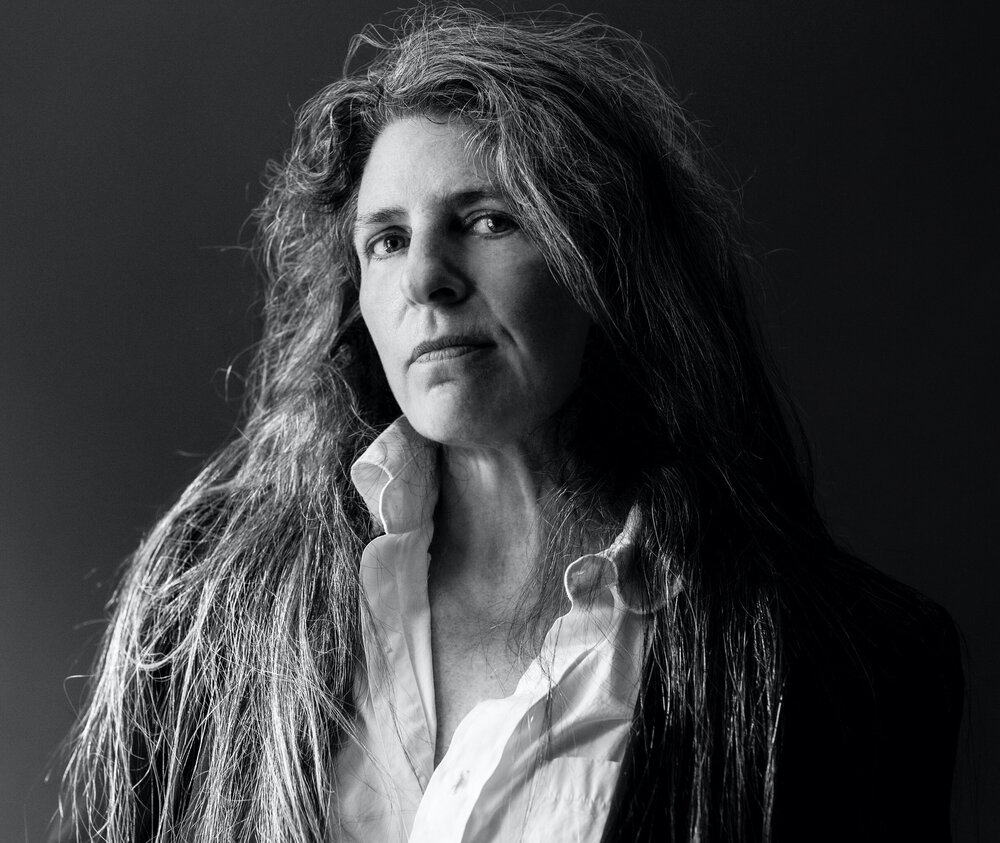
Korelitz is the author of You Should Have Known (2014), turned into the HBO miniseries The Undoing, and more recently, of The Plot (2021).
Salo is a descendant of a real historical figure, Joseph Suss Oppenheimer, a German Jewish banker and court Jew in 18th century Stuttgart, who was accused of a number of crimes and brutally executed. Before his death, he was given a chance to convert to Christianity, which he refused.
Salo’s own life is marked by tragedy early on, when the car he drove flipped over and his girlfriend and close friend, who were passengers, died from their injuries. Living out the rest of his days with soul-crushing guilt, Salo deems himself unworthy of love. And so, when he meets and marries Johanna and starts a family, he is simply going through the motions.
When faced with difficulty conceiving, the couple visits a renowned fertility specialist and eventually Johanna gives birth to triplets with the help of IVF in 1982, in the earliest days of “test tube babies.”
From the start, the two brothers and their sister – Harrison, Lewyn and Sally – detest each other. Going beyond commonplace sibling animosity, the children simply want nothing to do with each other. Despite their mother’s best attempts to create spaces, activities and traditions for the three of them, like the playroom filled with all kinds of toys, toddler music classes, and annual summers on Martha’s Vineyard, the siblings refuse to interact.
“Our mother, who had willed her children into existence (and suffered mightily along the way), would not give up her notion of what they might be. She grew adept at deflecting the ‘observations’ of others – parents on the playground who joked about how the triplets steered clear of one another, or their teachers at Walden, who took some strange delight in describing the children’s intra-aversion in parent-teacher meetings.”
With a father, who is more interested in modern art than in his family, and increasingly spends more time in his gallery and storage space in Red Hook, and a mother who is more concerned with keeping up appearances than in truly getting to know her children, the distance and tension grows and builds until it finally explodes in one of the most memorable and cringe-inducing scenes of a family conflict I have ever read.
Using rich and beautiful prose, Korelitz weaves together this family drama, while simultaneously creating a whole world of hidden identities, secrets, plot twists, revelations and surprises, all told by a mysterious narrator.
 Alexandra (Sasha) Schwank